Beyond the Textbook: How BCRI is Empowering the Next Generation of Clinical Researchers
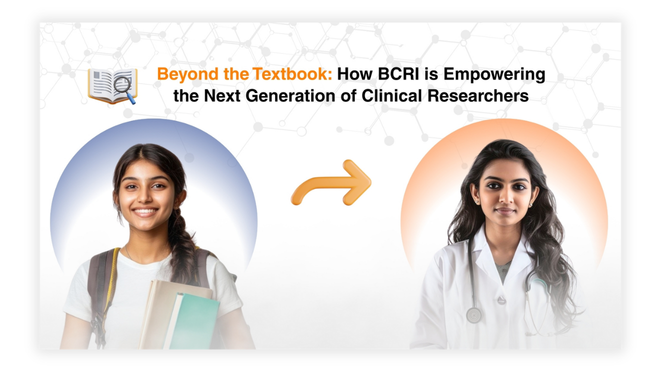
The journey for a science student is often defined by years of rigorous theoretical study. From mastering molecular biology, Pharmacy, health science to delving into complex pharmacological principles, the focus is squarely on understanding the fundamental sciences. However, a significant question often looms as graduation approaches: how do I apply this vast academic knowledge in a professional setting? The answer, increasingly, lies in the dynamic and rapidly evolving field of clinical research. Clinical research serves as the crucial bridge between scientific discovery and patient care. It is the process that tests the safety and efficacy of new drugs, medical devices, and treatments before they are made available to the public. For MSc Life Science, B.Pharm or M.Pharm, BDS or MDS, MBBS, and B.Tech Biotechnology students career in this field offers an unparalleled opportunity to make a tangible impact on global health. But breaking into this industry requires more than just a strong academic record; it demands practical skills and an understanding of real-world workflows. Recognizing this critical gap, the Bangalore Clinical Research Institute (BCRI) has taken a proactive and groundbreaking step. Over the past few years, BCRI has partnered with some of Bengaluru’s most esteemed educational institutions - including MS Ramaiah College, PES University, Dayanand Sagar Engineering College, mLAC College, AMC College, Krupanidhi College of Pharmacy, The Oxford College of Science, Padmashree Institute of Management & Sciences and Reva University—to conduct a series of comprehensive clinical research workshops. These workshops were not just lectures; they were immersive, hands-on training sessions designed to equip the next generation of life science professionals with the precise skills needed to thrive in the industry. This blog post explores the immense value of these workshops and how BCRI is setting a new standard for industry-academia collaboration. BCRI offers specialized, job-oriented courses in health science, life science, and pharmacy, with a primary focus on the clinical research industry. These programs go beyond theoretical knowledge to give students practical, hands-on experience in key professional domains. They offer various certifications and diplomas, ranging from short-term courses to a comprehensive postgraduate diploma, designed to prepare graduates for immediate entry into the workforce. The core programs provided by BCRI often cover crucial aspects of clinical research, including Clinical Data Management (CDM), Pharmacovigilance (PV), and Regulatory Affairs. Many of their programs also include practical training on industry-standard tools and software, such as Electronic Data Capture (EDC) systems and SAS for clinical data analysis. By combining expert-led lectures with real-world case studies and hands-on exercises, BCRI's curriculum ensures students are not just knowledgeable, but also job-ready for roles like Clinical Research Coordinator (CRC), Drug Safety Associate, and Clinical Data Manager.
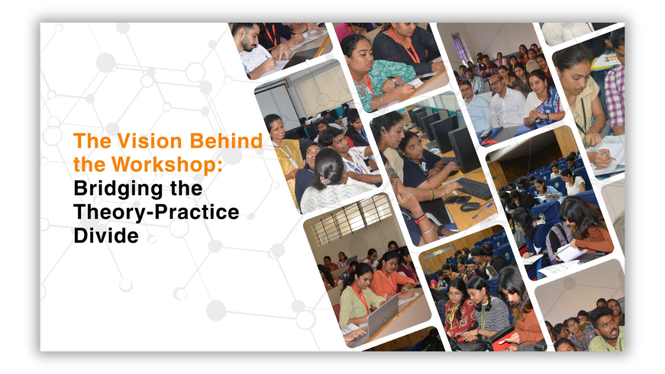
The Vision Behind the Workshop: Bridging the Theory-Practice Divide The core philosophy behind BCRI's initiative is simple yet profound: to empower students by providing them with the tools and experience they need before entering the job market. Traditional academic curricula, while excellent for foundational knowledge, often lack the practical exposure to the technologies and protocols that govern a clinical trial. BCRI's workshops were meticulously designed to fill this void. By bringing the industry directly to the students, BCRI created an environment where theoretical concepts were instantly transformed into tangible skills. The collaboration with such a diverse range of colleges highlights BCRI's commitment to making this vital training accessible to a wide student body, ensuring that a broad spectrum of talent is nurtured and prepared for the clinical research sector. The workshops served as a microcosm of a real-world clinical trial, allowing students to navigate the workflows, handle the documentation, and understand the intricate processes involved. This approach is a radical departure from conventional training methods. Instead of passive learning, it promoted active engagement, critical thinking, and a hands-on approach to problem-solving. This forward-thinking strategy not only equips students with a competitive edge but also addresses a pressing need within the industry for skilled, job-ready professionals who can hit the ground running. By focusing on practical application from day one, BCRI is ensuring that its trainees are not just knowledgeable, but truly capable.
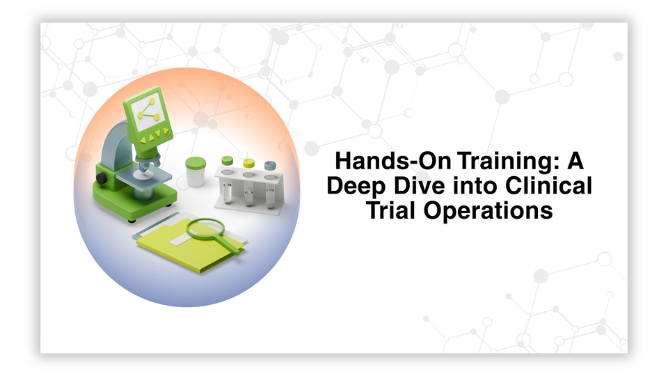
Hands-On Training: A Deep Dive into Clinical Trial Operations The true magic of the BCRI workshops lay in their hands-on training modules. Students were not just told about the various components of a clinical trial; they were given the opportunity to work with them directly. This practical exposure is invaluable, as it demystifies the complex and often daunting world of clinical research technology and documentation. Along with the hands-on training Clinical Data Management (CDM) course at the Bangalore Clinical Research Institute (BCRI) is designed to make students job-ready in the field of clinical research. The curriculum provides both theoretical knowledge and practical, hands-on experience using Electronic Data Capture (EDC) systems. It covers the entire data management lifecycle, from study preparation and CRF (Case Report Form) design to data validation, query resolution, and database lock. The course also emphasizes compliance with global regulatory standards, such as ICH-GCP guidelines, and includes training on industry-standard tools and concepts like MedDRA, WHODrug, and CDISC.
Mastering the Electronic Data Capture (EDC) System At the heart of any modern clinical trial is the Electronic Data Capture (EDC) system. This is where all the clinical trial data is collected, validated, and managed. For a student, the chance to get hands-on experience with an EDC is a game-changer. It’s the difference between reading about a car and actually learning to drive one. BCRI’s workshops provided a fully functional, simulated EDC environment. Students were given personalized EDC credentials, allowing them to log in, navigate the system, and perform tasks just like a real-world clinical research professional. They learned to enter patient data, handle discrepancies, and understand the audit trails that ensure data integrity. This hands-on experience not only built technical proficiency but also fostered a deep appreciation for the importance of accuracy and data quality, which are cornerstones of ethical clinical research. Having personal EDC credentials to showcase on a resume is a powerful differentiator that immediately tells a potential employer that the candidate is not just theoretically aware, but practically skilled.
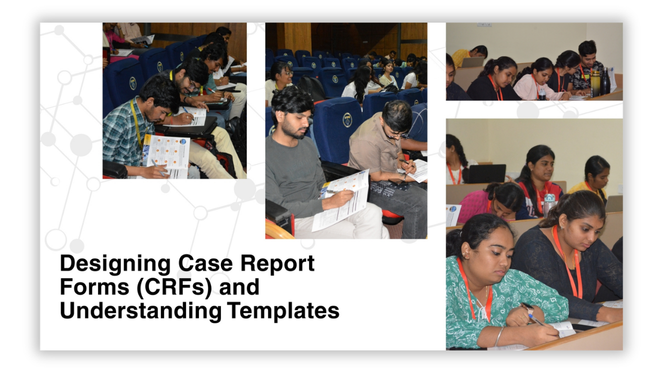
Designing Case Report Forms (CRFs) and Understanding Templates Before data can be entered into an EDC, it must be captured on a Case Report Form (CRF). These are the standardized documents used to collect patient information in a clinical trial. The BCRI workshops gave students the opportunity to go beyond simply using CRFs and actually understand their design and functionality. Students were provided with professional templates and were guided through the process of creating a well-structured CRF. The Bangalore Clinical Research Institute (BCRI) offers a comprehensive CRA/CRC (Clinical Research Associate/Coordinator) program designed to prepare students for a career in the clinical trials industry. The program develops the skills on clinical research, regulatory guidelines like ICH-GCP, trial documentation and data management, and the specific roles and responsibilities of both a CRA and a CRC. The program, which is offered in a PG Diploma in clinical research format, blends theoretical knowledge with practical, hands-on training, including case studies and mock site visits, to provide a job-oriented skill set. They learned how to design forms that are clear, concise, and compliant with regulatory guidelines. This seemingly simple exercise is fundamental to a trial's success, as a poorly designed CRF can lead to data errors, delays, and even regulatory non-compliance. By providing students with hands-on experience in CRF design, BCRI equipped them with a critical skill set that is directly applicable to roles in clinical data management and site operations.
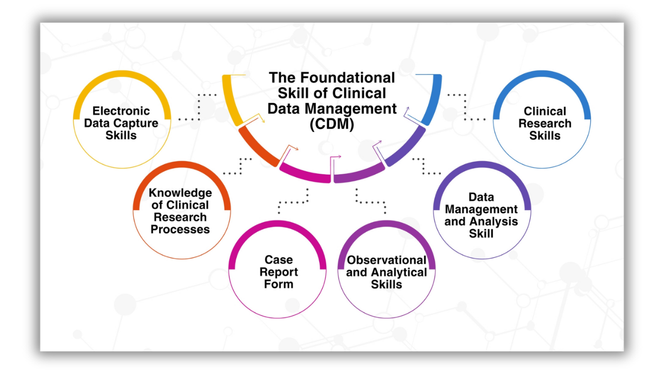
The Foundational Skill of Clinical Data Management (CDM) The workshops also provided a comprehensive introduction to Clinical Data Management (CDM). This is the discipline that ensures all clinical trial data is complete, accurate, and valid. Students gained a practical understanding of the CDM workflow, from data cleaning and query management to database lock. The hands-on experience with the EDC system served as the perfect platform for this learning. Students learned to identify data inconsistencies, generate queries, and resolve them efficiently—all key responsibilities of a data manager. This practical exposure to the CDM process provided a clear career path for those who are meticulous, detail-oriented, and enjoy working with data. It transformed CDM from a theoretical concept into a tangible, and highly desirable, professional role.
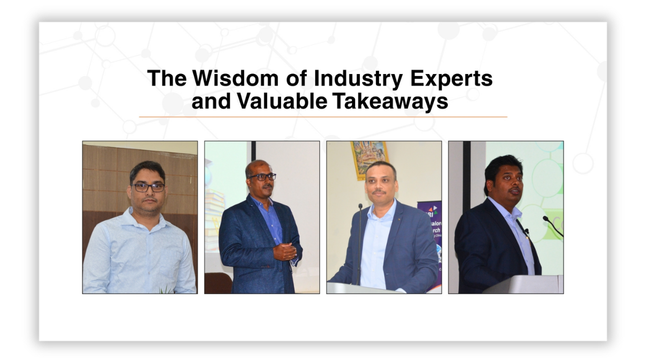
They shared real-world case studies, discussed current industry trends, and provided candid advice on career progression. These interactions were a significant value-add, giving students a chance to ask questions and learn from the best in the business. The presence of these experts validated the importance of the skills being taught and provided a glimpse into the rewarding careers that await. Furthermore, students left the workshops with more than just knowledge. Each participant was given a clinical research booklet, a comprehensive resource that serves as a valuable reference tool as they continue their professional journey. This physical takeaway, combined with the EDC credentials, provided a tangible record of their skills and accomplishments. The most significant benefit, however, is the promise of a clear and direct path forward. BCRI's commitment to providing internships to all eligible candidates from these workshops is a game-changer. This is a direct pipeline from a learning environment to a professional opportunity, eliminating the traditional struggles of a job search for fresh graduates. It is a testament to BCRI's confidence in the quality of its training and a powerful statement of its dedication to student success. Conclusion: Shaping the Future of Clinical Research BCRI’s clinical research workshops were more than just an educational event; they were a significant step forward in preparing life science students for the modern professional world. By focusing on hands-on training with critical industry tools like EDC systems and CRFs, and by integrating the wisdom of industry veterans, BCRI has created a truly transformative experience. The workshops at MS Ramaiah College, PES University, Dayanand Sagar Engineering College, mLAC College, AMC College, Krupanidhi College of Pharmacy, The Oxford College of Science, Padmashree Institute of Management & Sciences and Reva University have successfully demonstrated a scalable and effective model for industry-academia collaboration. The positive ripple effect of this initiative is undeniable. It empowers students with the confidence and skills they need, addresses the industry's need for job-ready talent, and ultimately contributes to the advancement of clinical research. As these students now move on to their internships, they are not just new entrants; they are the next generation of professionals, equipped with the practical knowledge and ethical foundation to make a real difference in healthcare. BCRI has not only provided training; it has laid down a professional path, ensuring that a life science degree is a gateway to a meaningful and impactful career.